Introduction
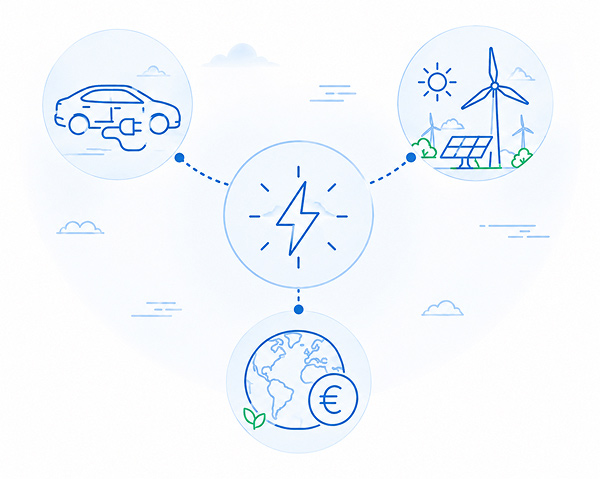
The gradual electrification of the global vehicle fleet and the deployment of intermittent renewable energy sources place electricity storage at the heart of the energy transition.
Batteries—and particularly lithium-ion technology—dominate this market.
Definition and Types
A battery is an electrochemical system that stores electrical energy in chemical form for later release. Its operating principle is based on the movement of electrical charges between two terminals. Its components are:
- The anode (negative electrode), which releases electrons during discharge. In a lithium-ion battery, it is generally made of graphite.
- The cathode (positive electrode), which accepts electrons. Its composition largely determines the battery’s performance.
- The electrolyte, the conductive medium (often a liquid or gel containing lithium salts) that allows ions to flow freely between the anode and the cathode.
- The separator, which is a microporous membrane placed between the two electrodes. It allows ions to pass through but blocks electrons to prevent a short circuit.
- Current collectors, composed of metal foils (usually copper for the anode and aluminum for the cathode), which carry the electric current to the external circuit.
The main technologies are:
- Lithium-ion (Li-ion): The current standard, with different cathode chemistries (NMC, LFP, NCA) offering various trade-offs between energy density, cost, and safety.
- Solid-state batteries: A technology under development that uses a solid electrolyte to increase energy density and safety.
- Sodium-ion: An emerging alternative that is less dependent on critical metals and well-suited for stationary storage, for example.
Applications and Market Outlook
The main driver of the battery market is electric mobility (battery electric vehicles—BEVs). Global sales are expected to reach approximately 23 million units this year, accounting for more than a quarter of total car sales.
Commitments to carbon neutrality by 2050 in Europe require a gradual phase-out of fossil fuels in transportation, which is one of the main sources of greenhouse gas emissions.
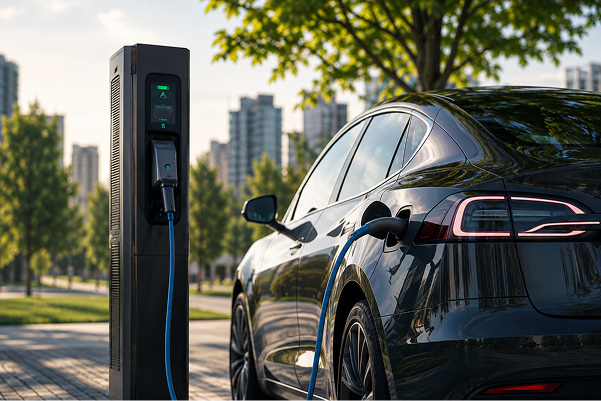

Volatility and rising oil prices (particularly due to geopolitical tensions in the Middle East) are boosting the economic appeal of electric vehicles. For Europe and Asia, reducing dependence on oil imports is a strategic priority.
Stationary storage for power grids is the second major growth area.
The BESS market is experiencing strong growth to ensure the integration of intermittent renewable energy into global power grids. Global annual additions will reach 158 GW in 2026 (up from 112 GW in 2025). A long-term surge is projected, reaching a cumulative capacity of 3.8 TW by 2050.
This growth is driven by the maturity of energy trading models and the widespread adoption of LFP chemistry, which is significantly more cost-effective. Finally, the industrial sector is now embracing this technology on a large scale to stabilize its supply costs and ensure its energy resilience.
Advantages and Disadvantages
Lithium-ion technology overwhelmingly dominates the global battery market, accounting for more than 80% to 90% of the market share in modern rechargeable applications (and nearly 100% in electric vehicles), thanks to an unmatched combination of technical properties.
Its superiority lies in its exceptional energy density, which allows for the storage of maximum energy in a compact, lightweight form—ideal for mobility. Furthermore, it offers excellent cycle life (long lifespan), no memory effect, and minimal self-discharge compared to older technologies such as nickel-cadmium. Driven by massive economies of scale and a continuous decline in manufacturing costs, it has established itself as the undisputed standard for portable electronics, electric vehicles, and stationary energy storage.
Advantages


Disadvantages


Production and Industrial Maturity
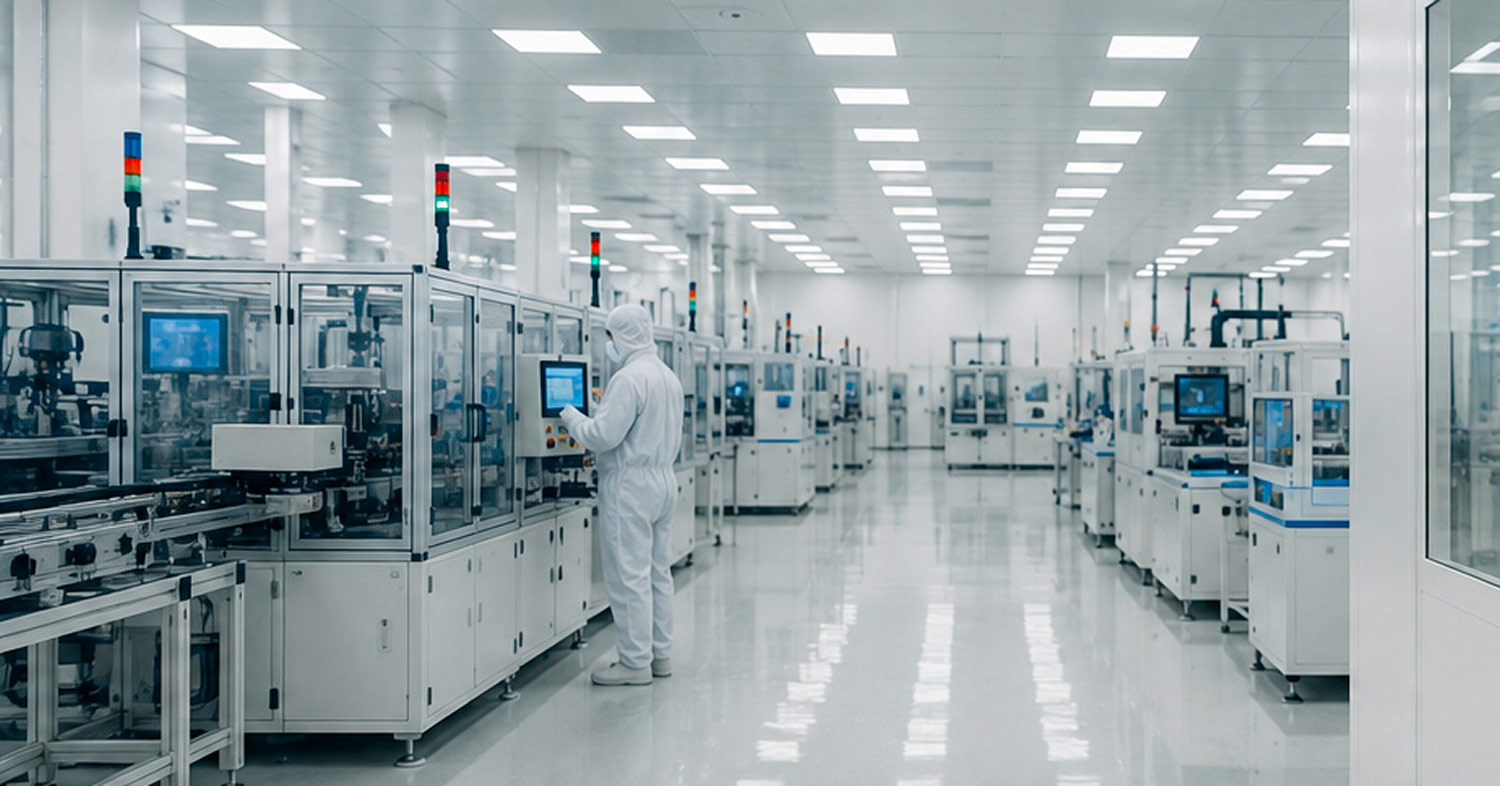
Battery cell production is a complex process industry that requires cleanrooms. Europe is investing heavily in “Gigafactories” to catch up with Asia. Asia accounts for more than 90% of global production. China alone accounts for approximately 86% of global cell production, with South Korea and Japan making up the remainder.
Pack assembly, battery management system (BMS) integration, and thermal management are high-value-added stages.
An Industry in the Making: Challenges and Skills Needs
The transition from internal combustion engines to electric powertrains requires a massive reskilling effort.
Engineers and technicians must acquire skills in electrochemistry, power electronics, storage system design, and the circular economy to manage the entire battery lifecycle.
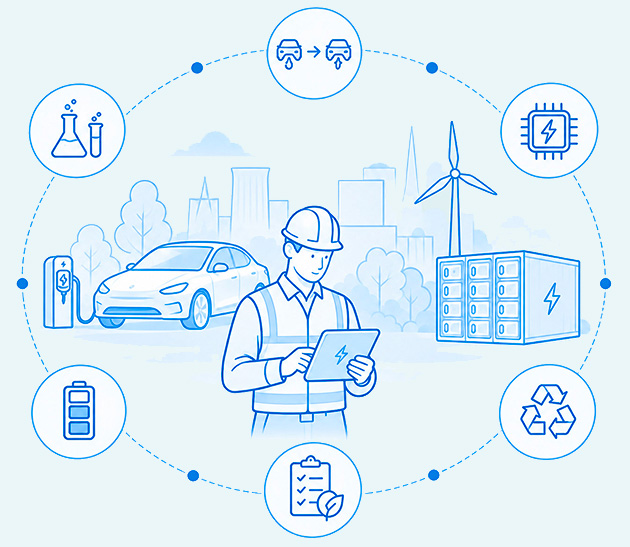
About IFP Training
To support this transformation, IFP Training offers a range of training programs covering the entire battery lifecycle, from design to end-of-life. Here are three examples of recommended training programs in this field:
-
Battery Design for Electric Mobility: Specify the requirements and performance of storage systems while incorporating automotive constraints. Programme delivered in French.
Access the programme: Formation - Conception des batteries pour la mobilité électrique | IFP Training -
Battery Life Cycle Assessment: Introduce participants to the basics of life cycle assessment (LCA), from material extraction to recycling. Programme delivered in French.
Access the programme: Formation - Analyse de cycle de vie de la batterie | IFP Training -
Fundamentals of Li-ion Cell Manufacturing: Understand material synthesis, electrode fabrication, and cell assembly. Programme delivered in French.
Access the programme: Formation - Fondamentaux de la fabrication des cellules Li-ion | IFP Training -
Battery Specialization: Supporting stakeholders in the mobility sector in retraining technical teams (particularly RD) to focus on electrification, and specifically on energy storage systems. Programme delivered in French.
Access the programme: Formation ‑ Spécialisation Batteries | IFP Training

Contact us to discuss your needs and develop a training plan tailored to your technical teams (R&D, testing, production)